This is a thought experiment. Presumably the Louvre already has extensive fire suppression systems and separate evacuation plans for its visitors (including the less-abled) and for its most valuable art works. The point of this scenario is not to recreate the boring details of such plans, but to stimulate thinking about the fundamentals of value and hopefully break through some cliches.
Thursday, 16 July 2020
Tuesday, 7 July 2020
The Feminist Case For Men’s Rights
The case for men’s rights follows straightforwardly from the feminist critique of the structural injustice of gender rules and roles. Yes, those rules are wrong because they oppress women. But they are also wrong because they oppress men, whether by causing physical, emotional and moral suffering or callously neglecting their needs and interests. While it is bad luck to be born a woman in our society, it is also bad luck to be born a man, in ways that relate directly and indirectly to gender roles and norms. Unfortunately the feminist movement has tended to neglect this, assuming that if women are the losers from a patriarchal social order, then men must be the winners.
Tuesday, 30 June 2020
The Statues Were Always A Grab For Power: It Is Good That They Are Coming Down
Some people claim that the prominent display of statues to controversial
events or people, such as confederate generals in the southern United States,
merely memorialises historical facts that unfortunately make some people
uncomfortable. This is false. Firstly, such statues have nothing to do with
history or facts and everything to do with projecting an illiberal political
domination into the future. Secondly, upsetting a certain group of people is
not an accident but exactly what they are supposed to do.
Thursday, 28 November 2019
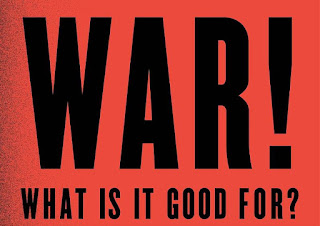
Only Human Rights Are Worth Killing For
“How do you ask a man to be the last man to die for a mistake?” John Kerry challenged Congress about the Vietnam war in 1971. There in a nutshell is the standard test by which democratic republics assess their military adventures: Is this cause worth dying for?
The idea of such a test is a good one. War is a question of politics, indeed the oldest question of political power: ‘Who's in charge here?' Specifically, governments contest each other's sovereignty – their ability to get their own way – by employing or threatening the means of extraordinary violence. Since war is defined by its terrible means, it can only be justified by some extraordinary purpose. Ordinary political goals will not do. Hence the need to find some measure that will be immune from the merely personal or factional interests of politicians or their hubris.
Nevertheless, Kerry's test is not quite right. The most ethically significant thing about war is not that our soldiers are ordered to risk their lives to further the interests of our state – or perhaps just our politicians – but that they are ordered to kill for it. The real ethical test of a war is whether our cause is worth killing for. If that is not satisfied then our soldiers are mere murderers and we are the ones who made them so.
This test turns out to be much harder to meet.
Thursday, 8 August 2019
Monday, 1 July 2019
The Political Philosophy of America's Guns

This essay argues that gun control in America is a philosophical as well as a policy debate. This explains the depth of acrimony it causes. It also explains why the technocratic public health argument favored by the gun control movement has been so unsuccessful in persuading opponents and motivating supporters. My analysis also yields some positive advice for advocates of gun control: take the political philosophy of the gun rights movement seriously and take up the challenge of showing that a society without guns is a better society, not merely a safer one.
Saturday, 22 June 2019
The Duty To Forgive Murderers
![]() |
| Source: INC |
There are people living among us who have done terrible things to other human beings – murder and rape, for example – yet who nonetheless deserve society’s forgiveness.
They have been convicted for their crimes and punished by the laws we collectively agreed such moral transgressions deserve. Now they deserve something other than punishment. They deserve to be treated with respect rather than resentment, contempt, and suspicion. They deserve a real chance to overcome their history and make something of their life.
Subscribe to:
Posts (Atom)